
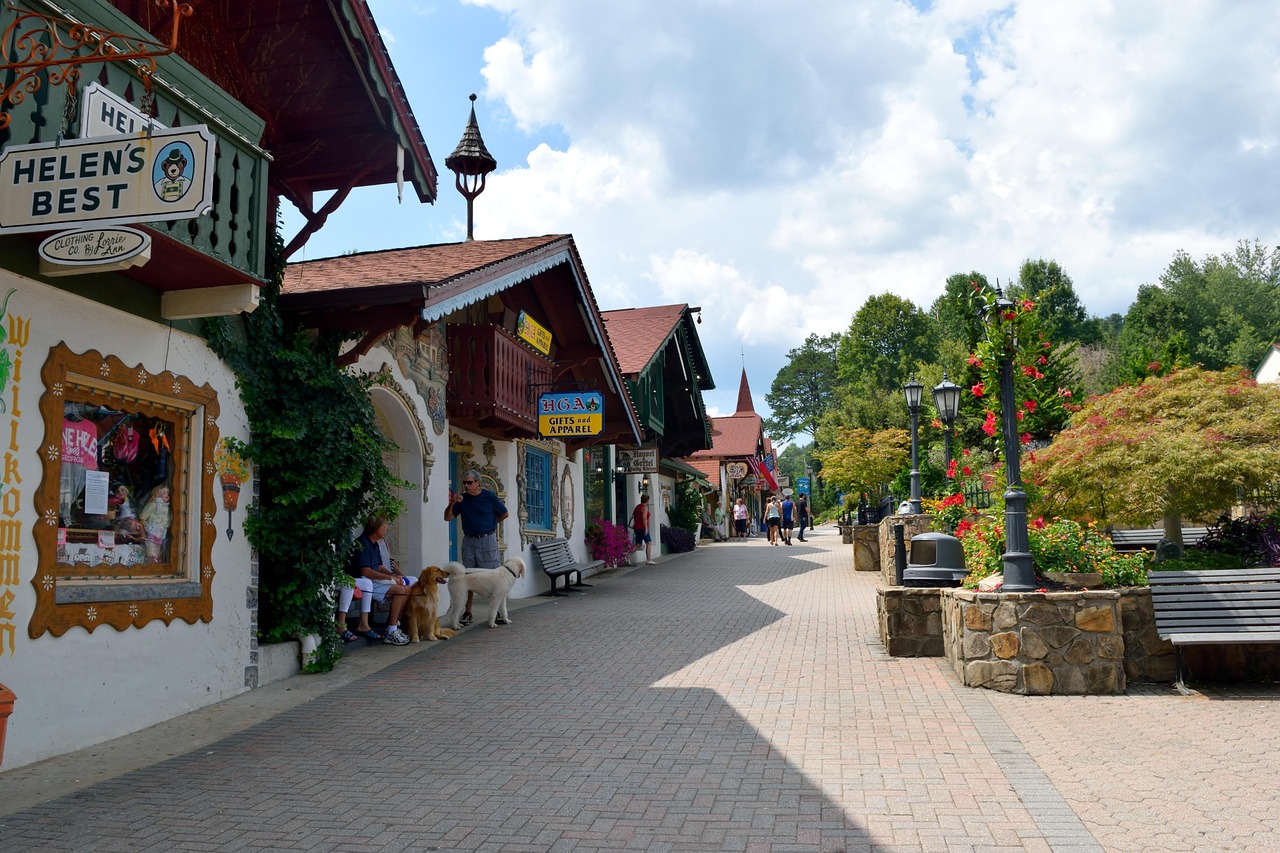

German culture is often described in a handful of stereotypes—efficiency, rules, and good beer—but the reality is broader, regional, and constantly changing.
This article explains what shapes german culture today: its federal diversity, everyday social norms, and the traditions and arts that connect past and present.
Regional Diversity and the Federal Mindset
Germany is a federal republic of 16 states, and many cultural differences follow state borders. Dialects, food, festivals, and even attitudes toward formality can shift noticeably between Bavaria, Saxony, the Rhineland, and the northern coastal regions. A common contrast is the more Catholic-leaning south versus traditionally Protestant areas in the north and east, though modern urban life often blends these lines.
This regionalism also shows up in local pride and practical governance. Education, policing, and cultural institutions are strongly influenced at the state level, which helps preserve local traditions while still supporting national standards. The result is a culture that can feel both unified and varied: “German” in shared institutions, but distinctly local in daily expressions.
Language reflects that diversity. Standard German is the public norm in schools and media, but regional speech patterns remain a marker of identity and belonging. In some areas, dialects are used warmly at home or in informal settings, while the standard form signals professionalism and clarity.
Everyday Social Norms: Directness, Reliability, and Privacy
One of the most recognizable elements of german culture is communication that tends to be direct and information-focused. In many contexts, people value clarity over small talk, and criticism can be expressed in a straightforward way intended to solve a problem rather than to offend. The benefit is efficiency and fewer misunderstandings, though newcomers sometimes need time to adjust.
Punctuality and planning are also widely respected. Appointments are commonly set in advance, and being on time is often treated as a sign of consideration. This connects to a broader preference for reliability: doing what you said you would do, following shared procedures, and respecting quiet rules such as keeping noise lower in residential areas at night.
Privacy is another strong norm. Personal topics may be shared more slowly, and social boundaries can feel firmer than in cultures where casual friendliness is immediate. At the same time, once trust is established, friendships can be steady and long-lasting, often centered on shared activities like sports clubs, hiking groups, music ensembles, or volunteer organizations.
Traditions, Arts, and Contemporary Life
Germany’s traditions are visible in annual events that attract both locals and visitors. Carnival in the Rhineland, Christmas markets in many cities, and region-specific fairs show how public celebration varies by location. Food traditions mirror this: breads and sausages are common associations, but regional specialties differ sharply, from Swabian dishes to northern fish-based meals.
Arts and ideas have long been central to german culture, with global influence in music, philosophy, and literature. Classical composers and a strong museum and theater landscape remain part of public life, supported by cities and states. At the same time, contemporary culture is shaped by modern design, film, and a robust club and electronic music scene in certain urban centers, often reflecting international influences.
Postwar history and reunification continue to shape social debates and collective memory. Commemoration culture is often structured around education and public responsibility, with a strong emphasis on learning from history. Meanwhile, immigration and demographic change have diversified cuisine, language, and cultural production, making “German” identity more plural than it was a few generations ago.
Conclusion
German culture is best understood as a mix of regional traditions, clear social expectations, and an evolving modern identity shaped by history, federal diversity, and global connections.